
BSF Project
Black Soldier Fly Organic Waste Treatment System
Converting 210 tons of organic waste daily into high-value protein, oil, and fertilizer through advanced biological bioconversion.
210 TPD
Waste Processed
1.07 tons
Daily Larvae Harvest
70.3 tons
Protein Meal/Year
15,000+ t/yr
CO₂e Avoided
Project Overview
Nature's Most Efficient Waste Processor
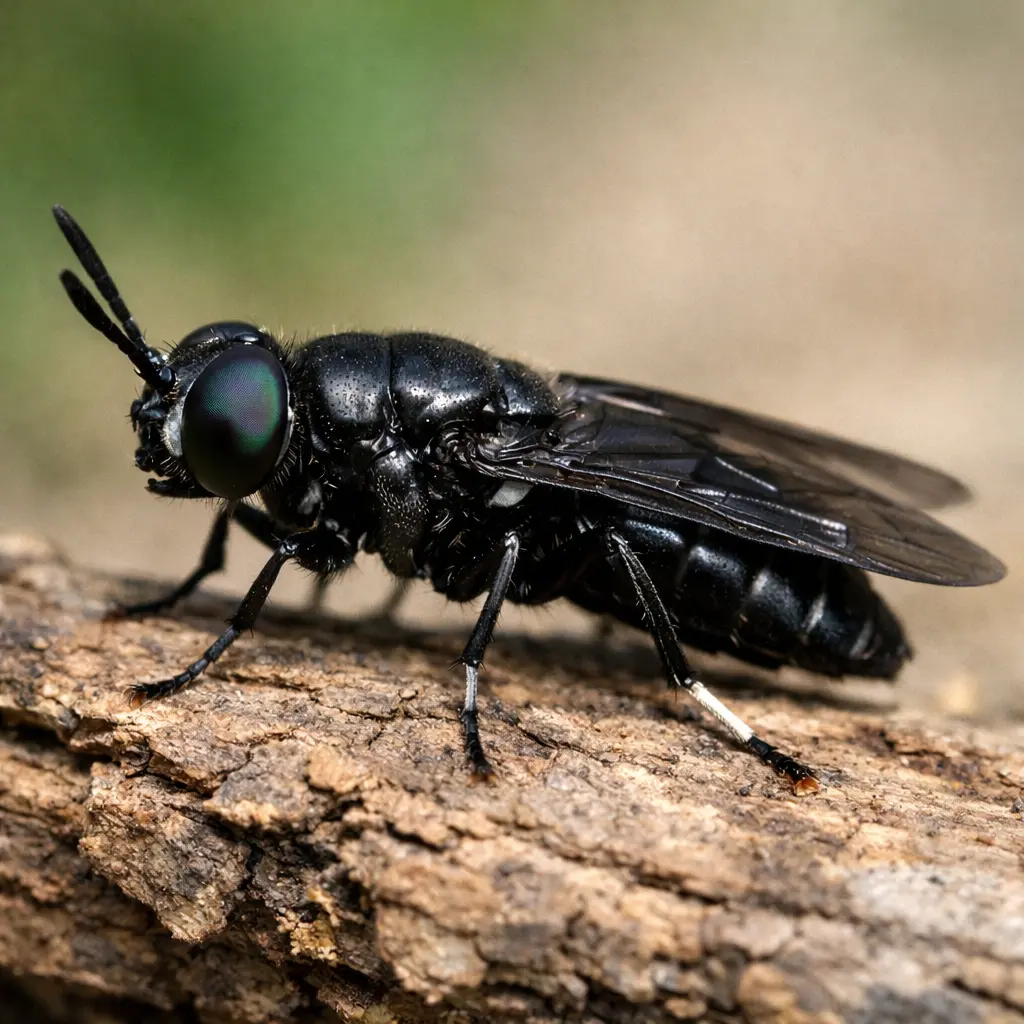
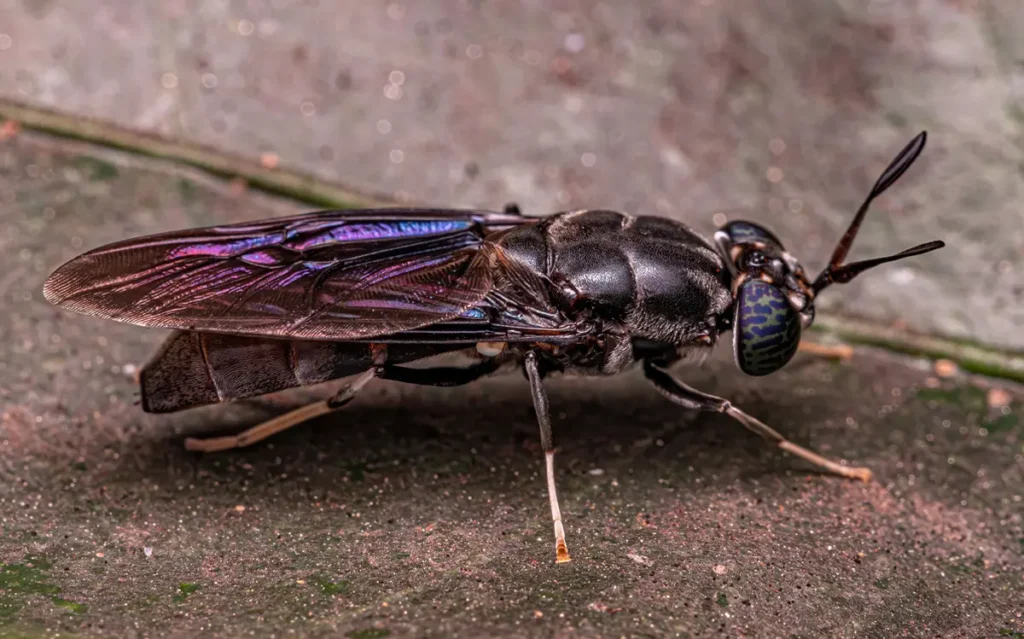
The Black Soldier Fly (BSF)–based treatment system is an advanced biological waste management technology that converts organic waste into valuable bio-products through a controlled insect bioconversion process. BSF larvae possess an exceptionally high capacity to consume and rapidly stabilize organic waste, reducing its volume while transforming nutrients into high-protein biomass and organic fertilizer.
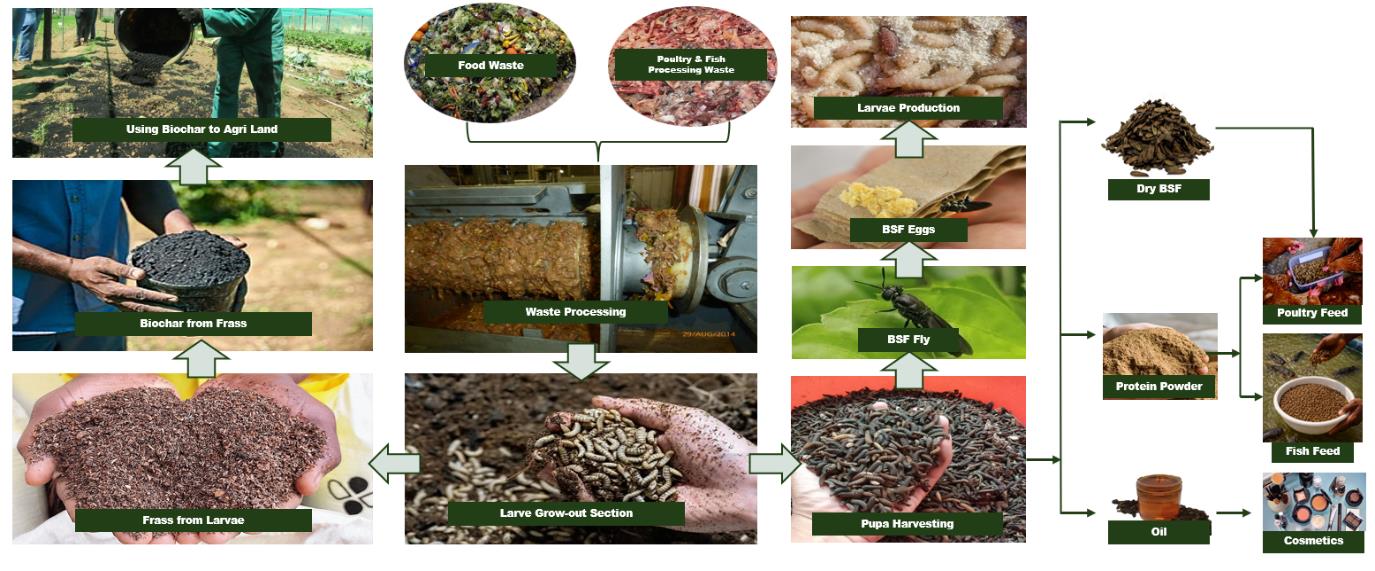
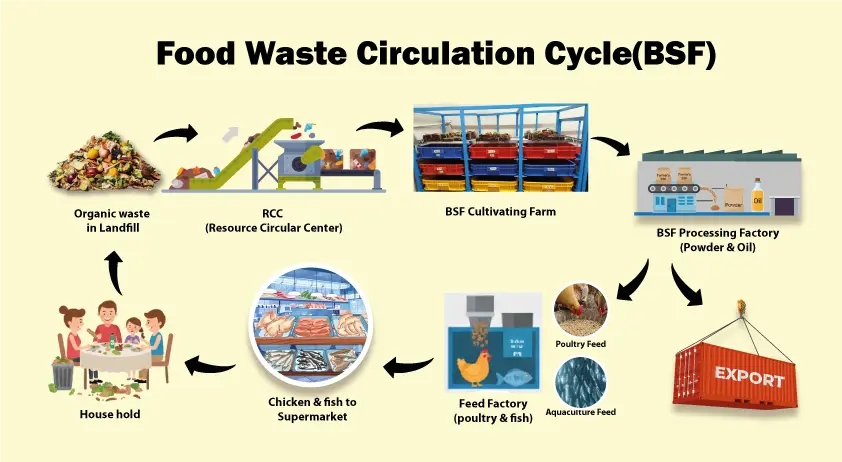
The system operates as a closed-loop, self-sustaining biological cycle, where a small portion of harvested larvae maintains the breeding colony, ensuring continuous egg production and uninterrupted waste processing — supporting circular economy principles at scale.
Project Objectives
Building a Scalable Waste Solution
How It Works
Five Integrated Production Stages
A continuous, segmented biological cycle that processes waste 24/7 with zero interruptions.
Stage 01
Hatchery & Nursery
5-Segment System
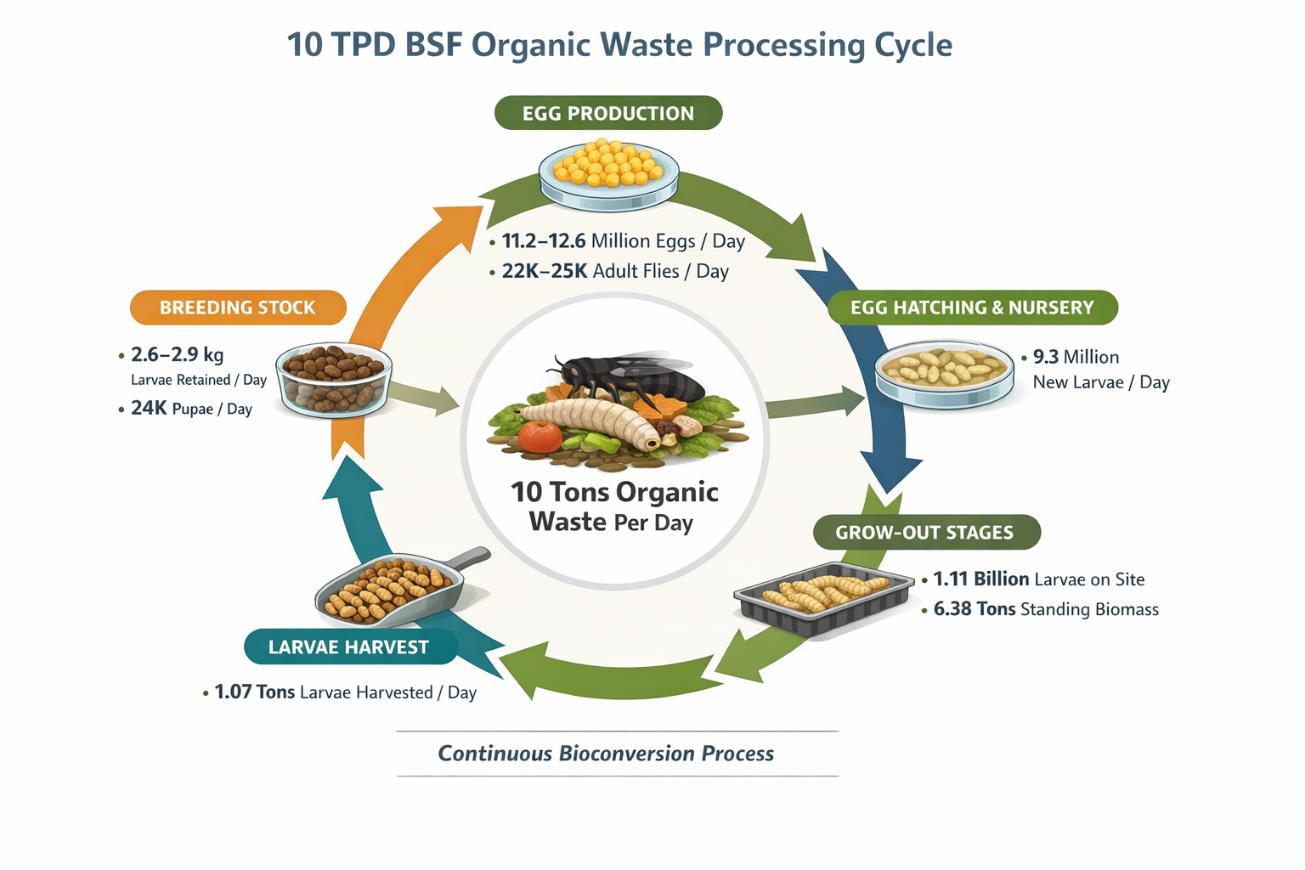
BSF eggs are incubated and hatched under controlled conditions. Newly hatched larvae are fed protein-rich starter feed for 5 days across 5 sequential segments before transfer to grow-out.
11.2–12.6M eggs/day
Egg Input
9.3M larvae/day
Larvae Output
46.5M larvae
Standing Inventory
Stage 02
Grow-Out Feeding
12-Segment System
Nursery larvae are fed organic waste for 12 consecutive days across 12 parallel segments. Each day, one batch enters and one fully matured batch is harvested, ensuring continuous processing.
10 tons/day
Waste Input
1.07 tons/day
Larvae Harvest
111.6M larvae
On-Site Inventory
Stage 03
Segregation & Breeding
Closed-Loop Colony
A tiny fraction (0.27%) of harvested larvae — just 2.92 kg/day — is retained as breeding stock. These transition through pupa to adult flies in a 14-day breeding loop, producing 11.2–12.6M eggs daily to sustain the system.
2.92 kg/day
Breeding Stock
14 days
Breeding Cycle
12.6M/day
Eggs Produced
Stage 04
Commercial Processing
Protein Meal & Oil
The remaining 1.07 tons/day of fresh larvae are dried, defatted, and processed into high-protein animal feed meal (40–45% protein) and industrial-grade insect oil for feed and biofuel applications.
70.3 tons/yr
Protein Meal
39.1 tons/yr
BSF Oil
42.2 tons/yr
Pure Protein
Stage 05
Frass & Residual Recovery
Zero-Waste Output
Residual organic matter and larval frass are recovered, dried, and processed into nutrient-rich organic fertilizer, soil conditioner, or further converted to biochar — ensuring near-zero waste discharge.
0.45–0.8 t/day
Frass DM Output
Organic Fertilizer
Use Case
Biochar
Alternative
Production Cycle
10 TPD Continuous Bioconversion
The pilot phase processes 10 tons of organic waste daily through a fully continuous, self-sustaining biological loop. The system maintains equilibrium through precise daily inflow of new larvae, stable standing biological inventory, and daily harvesting of mature larvae.
- Closed-loop: breeding stock replaces itself daily
- 80–85% dry matter biologically converted
- Scalable from 10 TPD pilot to 210 TPD full capacity
- Near-zero waste discharge from the facility
Output Projections
Annual Production Forecast
Based on steady-state operation with 1.07 tons/day fresh larvae harvest over 365 days.
Management Interpretation
At full 210 TPD capacity, the facility can supply nearly 1,000–1,400 tons of protein meal and 400–800 tons of oil annually, positioning BSF as a commercially significant alternative to imported feed proteins and oils. When standardized to a 60% protein grade, this corresponds to approximately 570–850 tons of pure protein equivalent per year.
Technical Foundation
Design Basis & Key Parameters
210 TPD
Waste Input
Segregated biodegradable municipal waste
60–70%
Moisture Content
Average incoming waste moisture
12 days
Larval Growth Cycle
Day-1 to Day-12 feeding period
90 mg/larva/day
Feeding Rate
Omnivorous diet consumption
116 mg/larva
Harvest Weight
Final individual larval weight
97%
Survival Rate
Average grow-out survival
12
Parallel Batches
Simultaneous grow-out segments
130–140 tons
Standing Biomass
Live larvae on-site (fresh weight)
80–90%
Egg Hatch Rate
Hatchery conversion efficiency
Articles Related to BSF
January 26, 2026
6:26 AM
Waste to wealth: Growing potential of Black Soldier Fly farming in Bangladesh
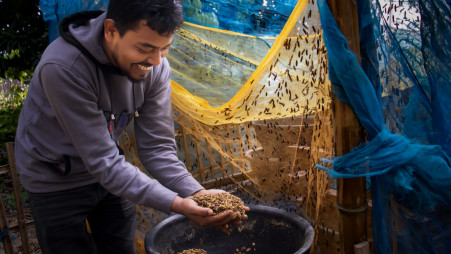
The product has high nutritional value at low cost Shimul Hossain, a Black Soldier Fly farmer, holds a ...
January 26, 2026
6:15 AM
Cheaper animal feed, less food waste: How Greensect is pioneering insect farming in Bangladesh
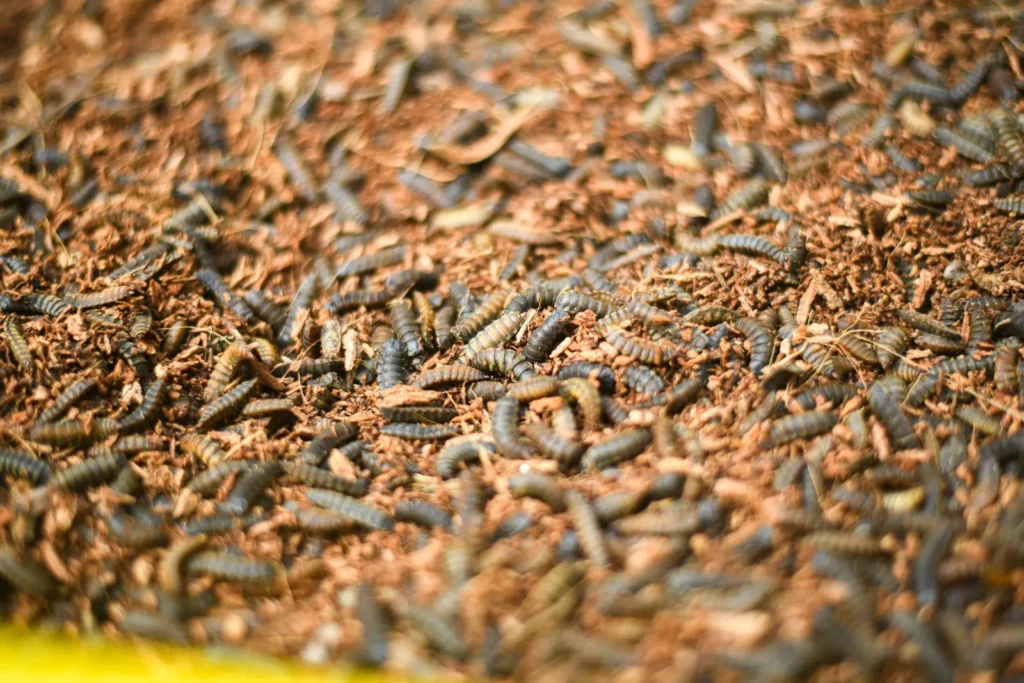
Two Italian entrepreneurs are tackling Bangladesh’s agricultural challenges with an innovative insect farming business that repurposes food waste ...
January 26, 2026
6:14 AM
Black Soldier Fly’s (BSF) Production and Supplier in Bangladesh
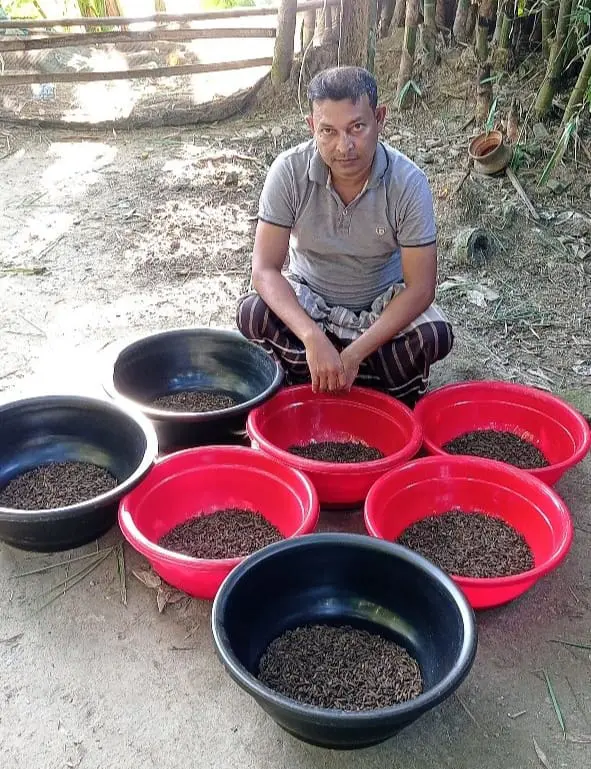
Black Soldier Fly’s (BSF) production and supplier in Bangladesh Agribusiness Education and Research International (AERI) is an education, ...
January 26, 2026
6:10 AM
Black Soldier Fly Larvae Emerges as a Sustainable Live Feed for Fish and Domestic Animals
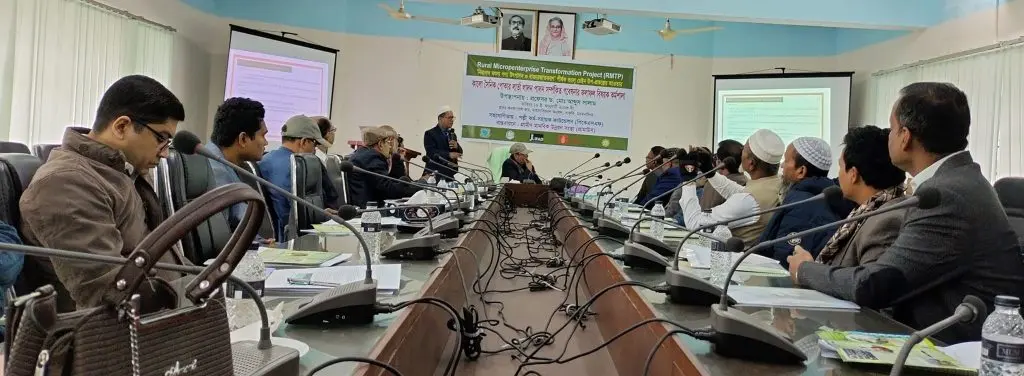
On January 10, 2024, a workshop was conducted on “Black Soldier Fly Larvae Rearing for Live Feed for ...
January 26, 2026
6:10 AM
Diverting organic waste from landfills via insect biomanufacturing using engineered black soldier flies (Hermetia illucens)
Abstract A major roadblock towards the realisation of a circular economy are the lack of high-value products that ...