Location
B&F industrial land in Keraniganj, Dhaka
B&F Biogreen
B&F BioGreen Keraniganj Integrated Industrial Cluster
Tons Firewood Replaced/Year
Eco-Bricks/Year
Carbon Credits/Year
Renewable Energy

Company Overview
B&F BioGreen Industries Ltd. is a green-tech initiative by B&F Group, dedicated to producing clean energy and sustainable building materials to convert Bangladesh’s agricultural and industrial residues into value-added products.
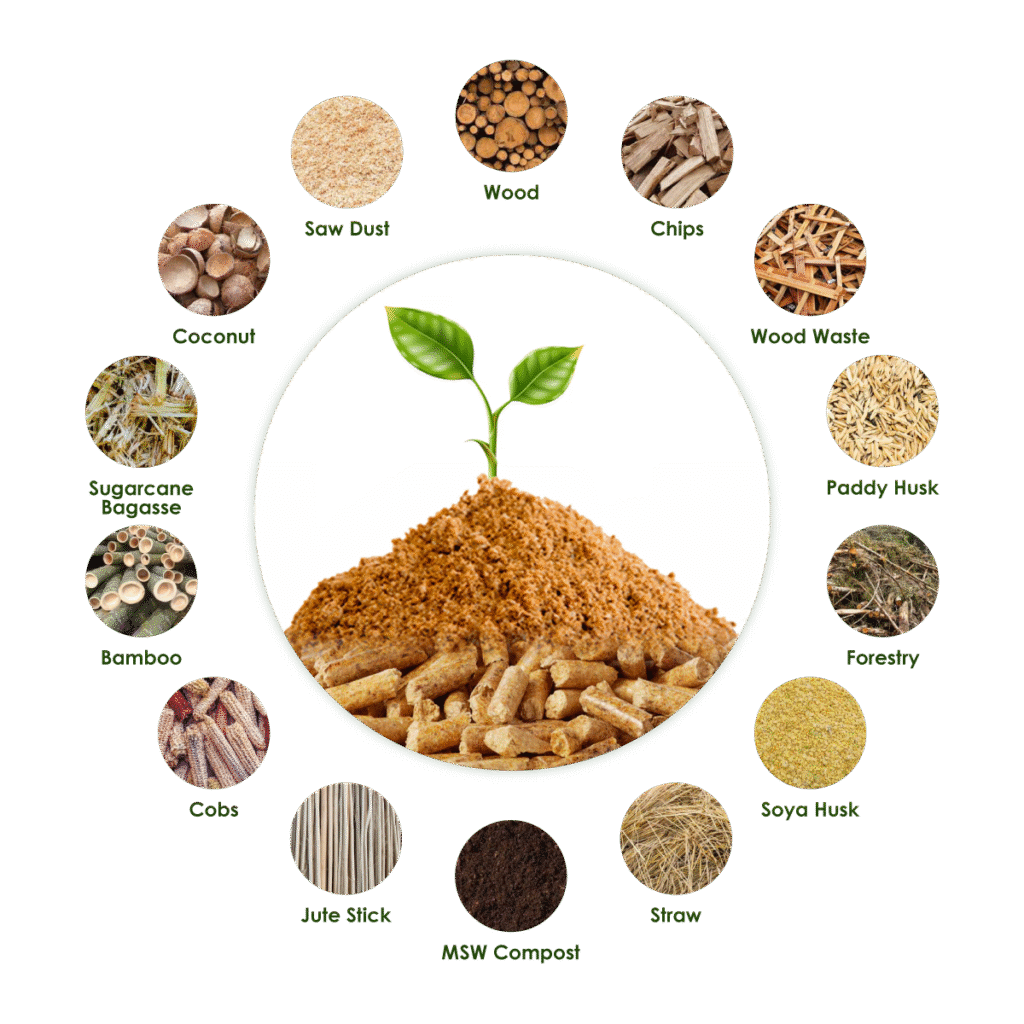
This green industrial complex in Keraniganj, Dhaka will integrate biomass briquette, pellet and RHA-based eco-brick production using locally available agricultural residues. By valorizing materials such as sawdust, rice husk & jute stick, the facility aims to demonstrate scalable solutions for clean energy and green construction materials.
Our Keraniganj cluster exemplifies circular economy: local material is transformed into clean fuel and green materials, reducing both deforestation and CO₂ emissions. This model will be expanded nationwide in partnership with government, NGOs, and international green finance platforms.
Project Objectives
Establish a model green industrial site with integrated operations
Replace firewood, coal & fossil fuels with briquettes/pellets in industrial boilers with all the latest technologies
Introduce RHA (Rice Husk Ash) based lightweight, eco-friendly construction bricks
Reduce CO₂ emissions and qualify for carbon credits
Develop a replicable cluster model for national scale-up
Vision & Impact
Circular Economy Model
Our Keraniganj cluster is a model of the circular economy, turning local material into clean fuel and green materials. This reduces both deforestation and CO₂ emissions. We aim to replicate this model nationwide through partnerships with government agencies, NGOs, and international green finance organizations.
Agricultural & industrial residues (sawdust, rice husk, jute stick)
Convert into briquettes, pellets & eco-bricks
Lower CO₂ emissions & deforestation
Create sustainable energy & green construction materials
Continuous sustainable cycle
Production Facilities
Capacity
1,000 tons/month
Expandable
Up to 5,000 tons/month
Cement-alternative bricks using rice husk ash, sand, and fly ash
Partnering with Korea ESG policy for KOC platform & validation entities
Estimated CO₂ savings
RHA brick carbon offset
Total carbon credits eligible
Our Products
Biomass briquettes and pellets are renewable energy fuel made from organic materials, such as agricultural residues, sawdust, wood chips, and other biodegradable substances. These materials are compressed into solid blocks which can be used as a substitute for coal, firewood, or other fossil fuels in heating, cooking, and industrial processes.
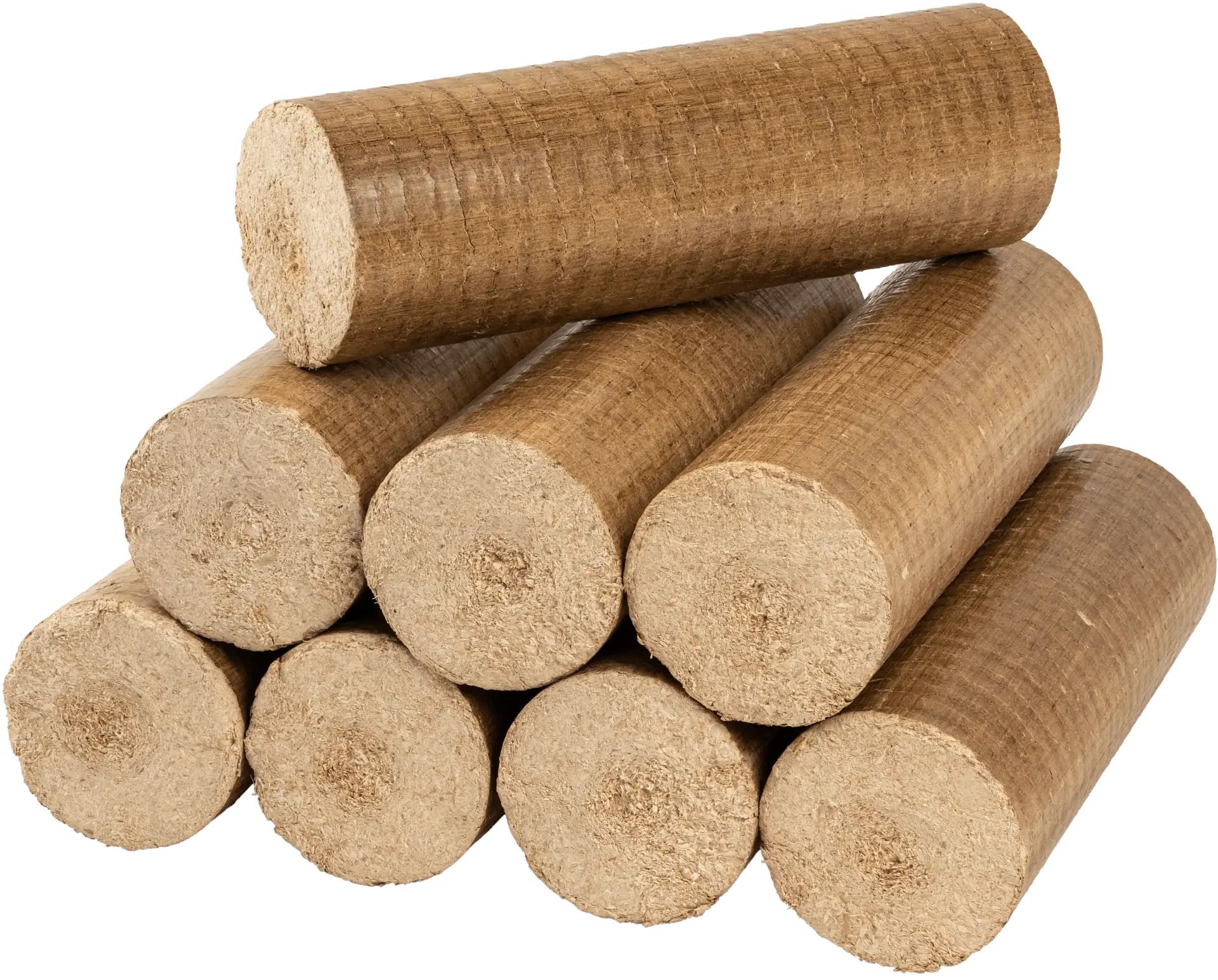
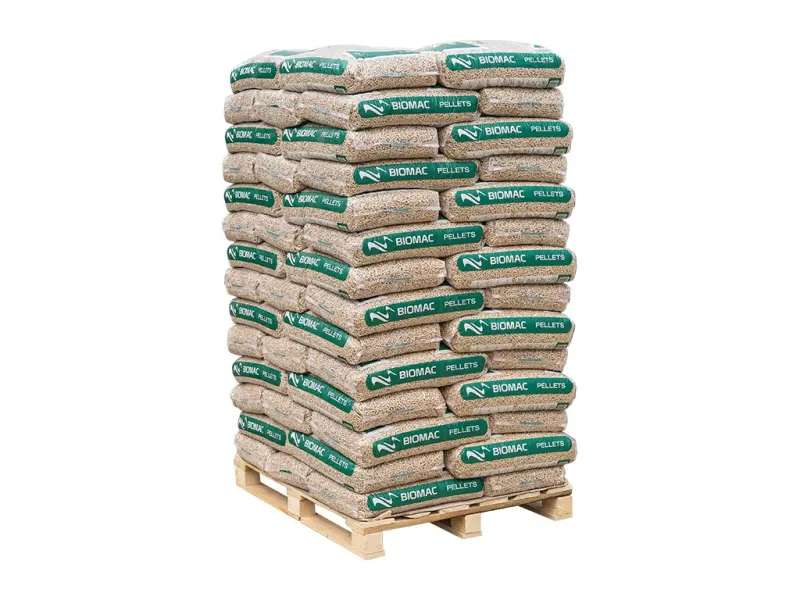
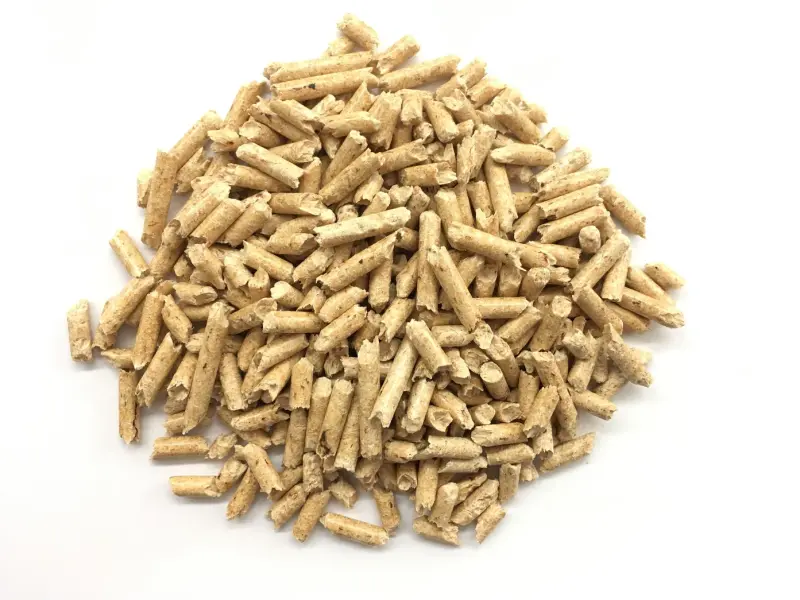
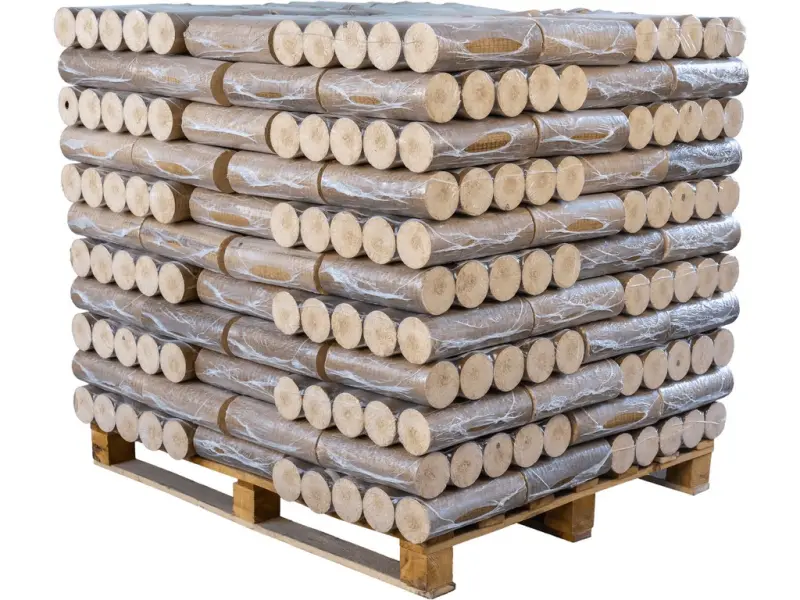
Solid, dense biofuel made with wood by-products (Sawdust) which are dehydrated and pressed without any additives.
Calorific Value
4,200–4,600 kcal/kg
Moisture Content
<10%
Ash Residue
High
Packaging Size
40–50 kg per Bag
Storage Space
Small (Compact)
Required for 1T Boiler
92 Kg
BNF Biomass Briquettes are widely used as industrial fuel to substitute firewood, jute, coal and diesel oil. Typical industrial applications include:
Industrial Boilers
Cement Production
Steel Melting
Brick Manufacturing
Food Industries
Power Generation
Textile & Dyeing
Why Choose Briquettes
Biomass briquettes and pellets are renewable energy fuel made from organic materials, such as agricultural residues, sawdust, wood chips, and other biodegradable substances. These materials are compressed into solid blocks which can be used as a substitute for coal, firewood, or other fossil fuels in heating, cooking, and industrial processes.
Reduces reliance on fossil fuels and minimizes carbon emissions. Sustainable and renewable energy source.
Low ash, no sulfur and minimal smoke. Burns longer and hotter than raw biomass materials.
Converts agricultural and industrial waste into usable fuel. Reduces landfill waste and methane emissions.
Cheaper than conventional fuels in many regions. Lower transportation costs due to high density.
Biomass Briquettes & Pellets are renewable energy sources made from organic waste materials like sawdust, agriculture residues and others biomass waste. Biomass Briquettes are increasingly being adopted as eco-friendly alternative fuel to fossil like coal, diesel and firewood.
Carbon Credits
The contribution of biomass briquettes & pellets to carbon credits is significant because they help reduce greenhouse gas (GHG) emissions by replacing fossil fuels with a carbon-neutral alternative.
A carbon credit is a permit that allows the holder to emit one metric ton of CO₂ or equivalent GHGs. If an activity reduces emissions (like using biomass briquettes instead of coal), it can generate carbon credits that can be sold or traded on carbon markets.
Replacing coal or fuel oil with briquettes cuts CO₂ emissions. Fossil fuels release ancient carbon, while biomass releases recent carbon, making it 'carbon neutral.'
Converts agricultural and industrial waste into fuel, reducing methane emissions from waste decomposition.
Using briquettes reduces the need to cut down trees for firewood or charcoal, preserving forest carbon sinks.
Cleaner combustion than wood or coal reduces harmful black carbon (a short-lived climate pollutant).
✓ Replacing fossil fuels
✓ Preventing methane emissions from waste
✓ Promoting sustainable energy use
Fuel Comparison
| Particulars | Firewood | Coal | B&F Biomass Briquettes/Pellets |
|---|---|---|---|
| Calorific Value (Kcal/Kg) | 2,500–3,200 | 5,000–6,000 | 4,200–4,600 |
| Moisture Content | 50%–75% | 20%–30% | <10% |
| Ash Residue | 3–5% | 15–30% | <0.6% |
| Burning Efficiency | Low (high moisture) | Low (high moisture) | High (efficient combustion) |
| Smoke Emission | High Smoke | High smoke, pungent odor | Minimum |
| Storage Space Required | Big Size | Big Size | Small |
| Handling & Cleanliness | Dirty | Dirty | Very Clean |
| Sustainability | Variable (may cause deforestation) | Fossil Fuel | Sustainable (Uses Agriculture Waste) |
| CO₂ Emission | 1.60 CO₂/Ton | 2.42 CO₂/Ton | 0.50 CO₂/Ton |
| Carbon Credit Eligibility | Not Eligible | Not Eligible | Eligible (renewable & clean energy) |
| Required Qty for 1 Ton Boiler | 308 Kg | 96 Kg | 92 Kg |
| Workers for 1 Ton Boiler/Shift | 4–6 Persons | 4–6 Persons | 2 Persons |
| Packaging Size | No standard packing | No standard packing | 40–50 kg per Bag |
| Fuel Type | CO₂ Emission | Briquette | Reduction Effect |
|---|---|---|---|
| Diesel | 3.20 tCO₂ | 0.05 | 3.15 |
| LPG (LNG) | 2.70 tCO₂ | 0.05 | 2.65 |
| Coal | 2.42 tCO₂ | 0.05 | 2.37 |
| Firewood | 1.60 tCO₂ | 0.05 | 1.55 |
Example: 4-Ton Boiler Factory (2,400 hours/year)
Annual Briquette Use
CO₂ Reduction
Carbon Credit Revenue (~4.8M Tk)
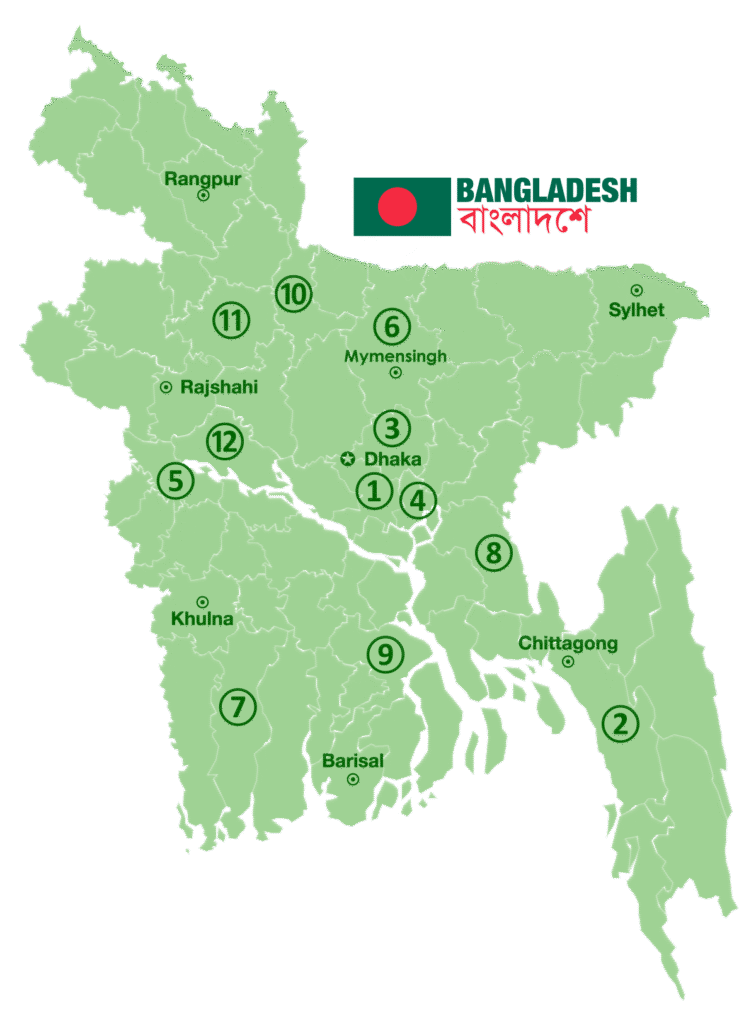
Nationwide Supply
B&F BioGreen Factories across Bangladesh
Chattogram
Chattogram
Gazipur
Narayanganj
Kushtia
Mymensingh
Khulna
Comilla
Barishal
Jamalpur
Bogura
Pabna
Jashore
Rupayan Millennium Square, Level: 10 (B/E), Cha-69, North Badda, Progoti Shoroni, Dhaka-1212, Bangladesh
Palashpur Road (1st Dholessori Bridge), PO-Abdullahpur, South Keraniganj, Dhaka
+880 1723-888781