
Tea Garden Initiative
Integrated Climate-Smart Tea Landscape Initiative
Reimagining tea gardens as climate-positive landscapes that generate clean energy, store carbon, and strengthen long-term resilience.
50,000+
Shade Trees
1,200+ acres
Garden Area
30,000+ t/yr
CO₂ Sequestered
500+
Workers Employed
About the Initiative
More Than Agriculture — A Living Carbon Ecosystem
Tea gardens are more than agricultural estates — they are long-standing agroforestry systems where perennial crops, shade trees, and soil ecosystems coexist. Building on this foundation, our initiative explores how tea landscapes can be transformed into climate-positive, resource-efficient systems that generate clean energy, store carbon, and strengthen long-term resilience — while continuing to produce high-quality tea.
This initiative is currently at a concept and feasibility development stage, with pilots being designed in major tea-growing regions of Bangladesh.

What We Are Exploring
Three Integrated Pillars
A comprehensive approach combining agroforestry, biochar, and clean energy to transform tea landscapes.
Pillar 1
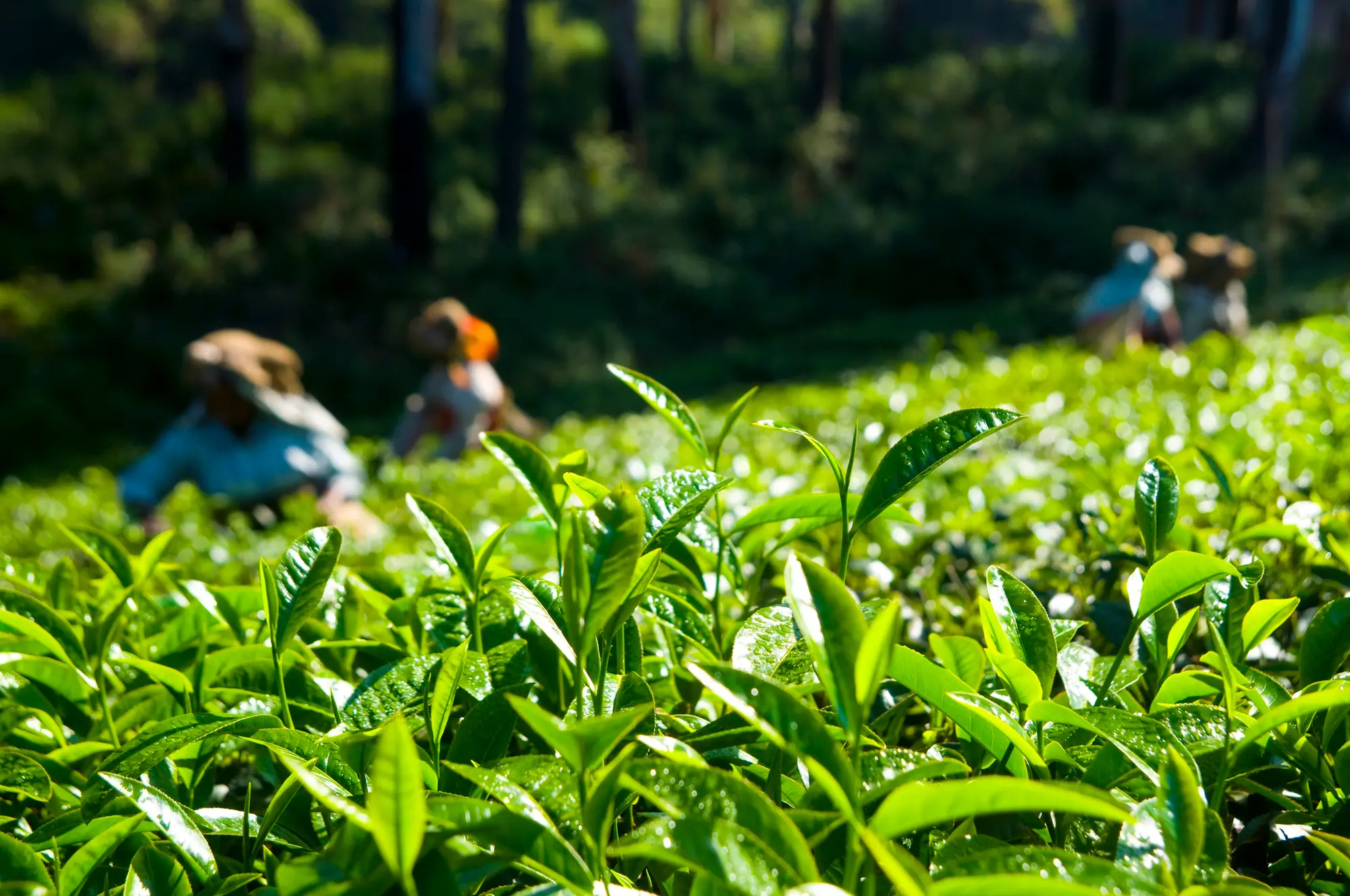
Climate-Smart Tea Agroforestry & Shade Tree Carbon
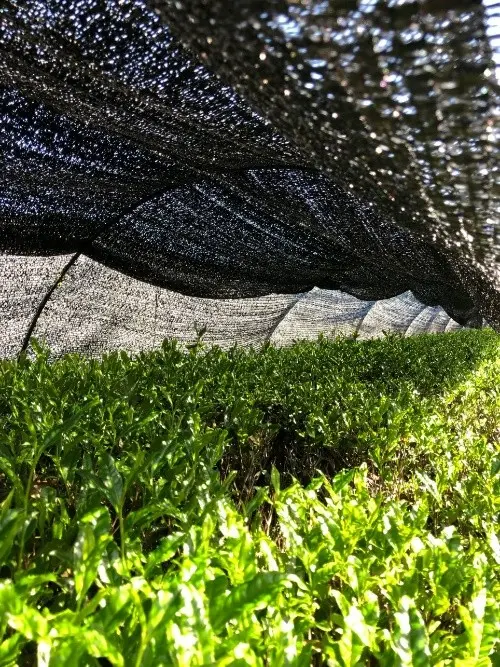
Tea gardens already function as agroforestry systems — tea bushes grown under shade trees. Scientific research shows that such systems can act as significant carbon sinks, storing carbon in plant biomass and soils.
Our Approach
- Increasing shade-tree density and species diversity within tea blocks
- Restoring degraded areas such as steep slopes, ravines, and stream banks
- Establishing riparian buffers, woodlots, and assisted natural regeneration (ANR) zones
- Protecting and enhancing existing high-tree-density and natural vegetation pockets
Why This Matters
- Generates carbon removal credits, increasingly valued in carbon markets
- Improves microclimate, soil moisture, and biodiversity
- Enhances long-term productivity and resilience of tea landscapes
Pillar 2
Biochar from Tea Prunings & Estate Biomass
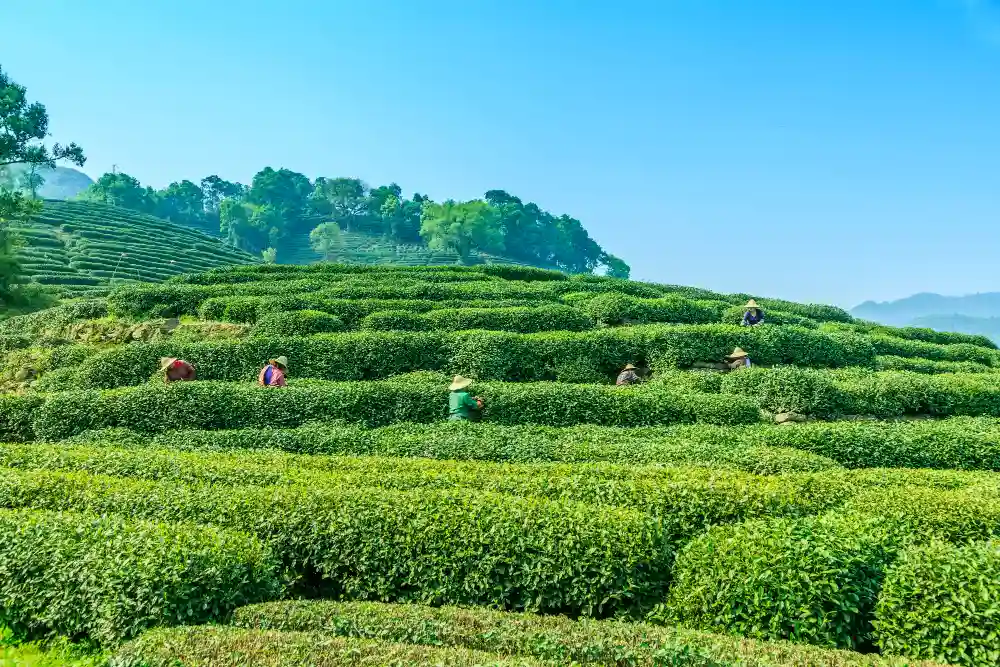
Tea estates generate significant quantities of biomass from routine pruning, weeding, and shade-tree management. We are assessing the potential to convert such biomass into biochar through controlled thermal processes (e.g. pyrolysis), and to apply the biochar back to soils.
Our Approach
- Long-term carbon storage in soils
- Improved soil structure, water retention, and nutrient efficiency
- Potential yield stability and climate resilience benefits for tea plants
- Crop yield & productivity enhancement
- Soil quality and fertility restoration
- Sequester soil carbon permanently
Why This Matters
- Biochar is a durable carbon removal solution — stable for centuries
- Converts plant carbon into a permanent storage form
- Enhances soil micronutrient mineralization
Pillar 1
Low-Carbon Tea Processing & Energy Transition
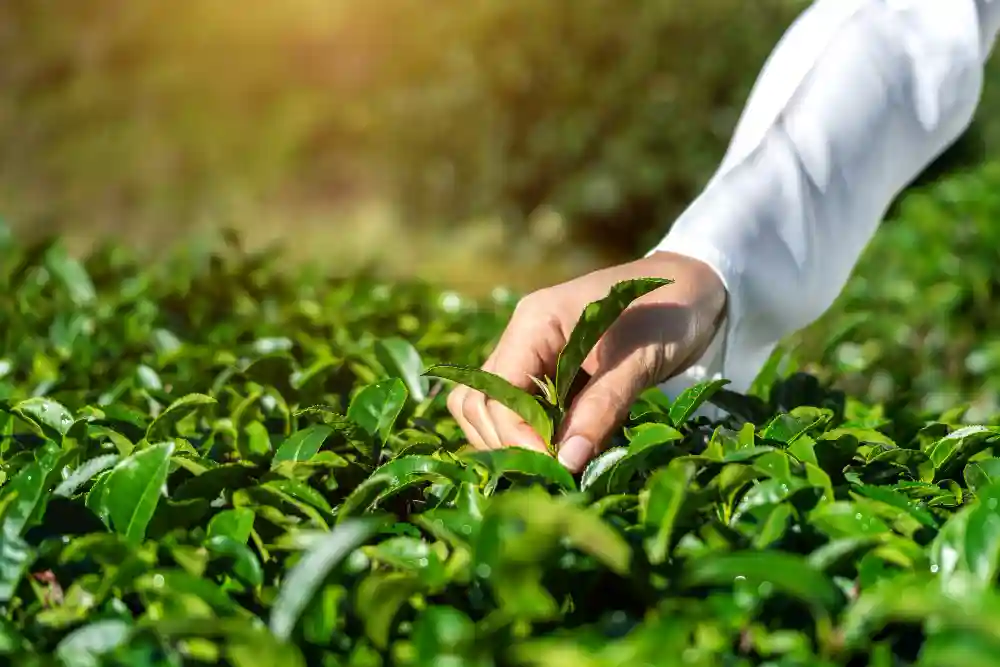
A significant share of tea's environmental footprint comes from energy use in processing, including withering, drying, and factory operations. Our initiative examines pathways to reduce these emissions.
Our Approach
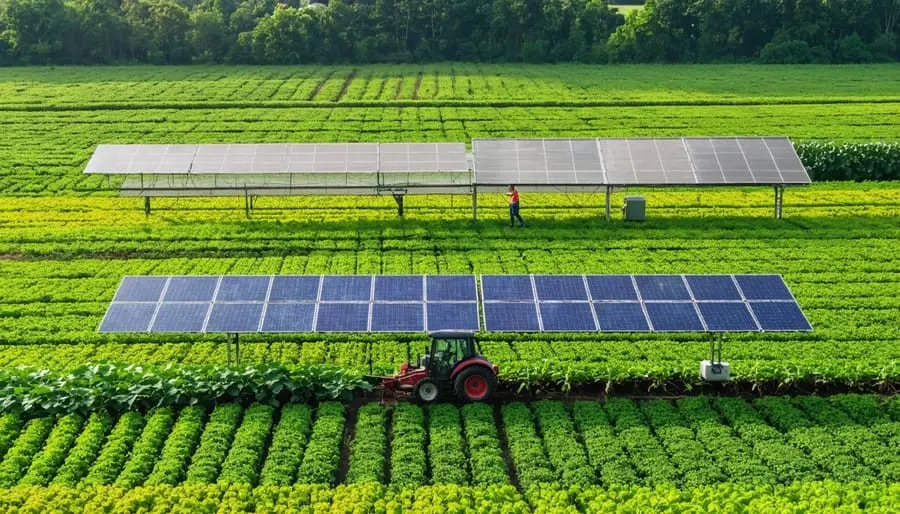
- On-site renewable electricity generation integrated into tea landscapes
- Fuel switching away from conventional firewood or fossil fuels toward cleaner biomass-based alternatives
- Energy-efficiency improvements in dryers, motors, fans, and auxiliary systems
Why This Matters
- Reduces operational emissions significantly
- Improves energy security for tea estates
- Enables transition to net-zero tea production
What Makes Us Unique
An Integrated Approach
What makes this initiative distinctive is its integrated landscape-level design. This model aligns with emerging global interest in nature-based solutions, durable carbon removal, and climate-smart agriculture.
Tea land remains productive — no land-use conflict
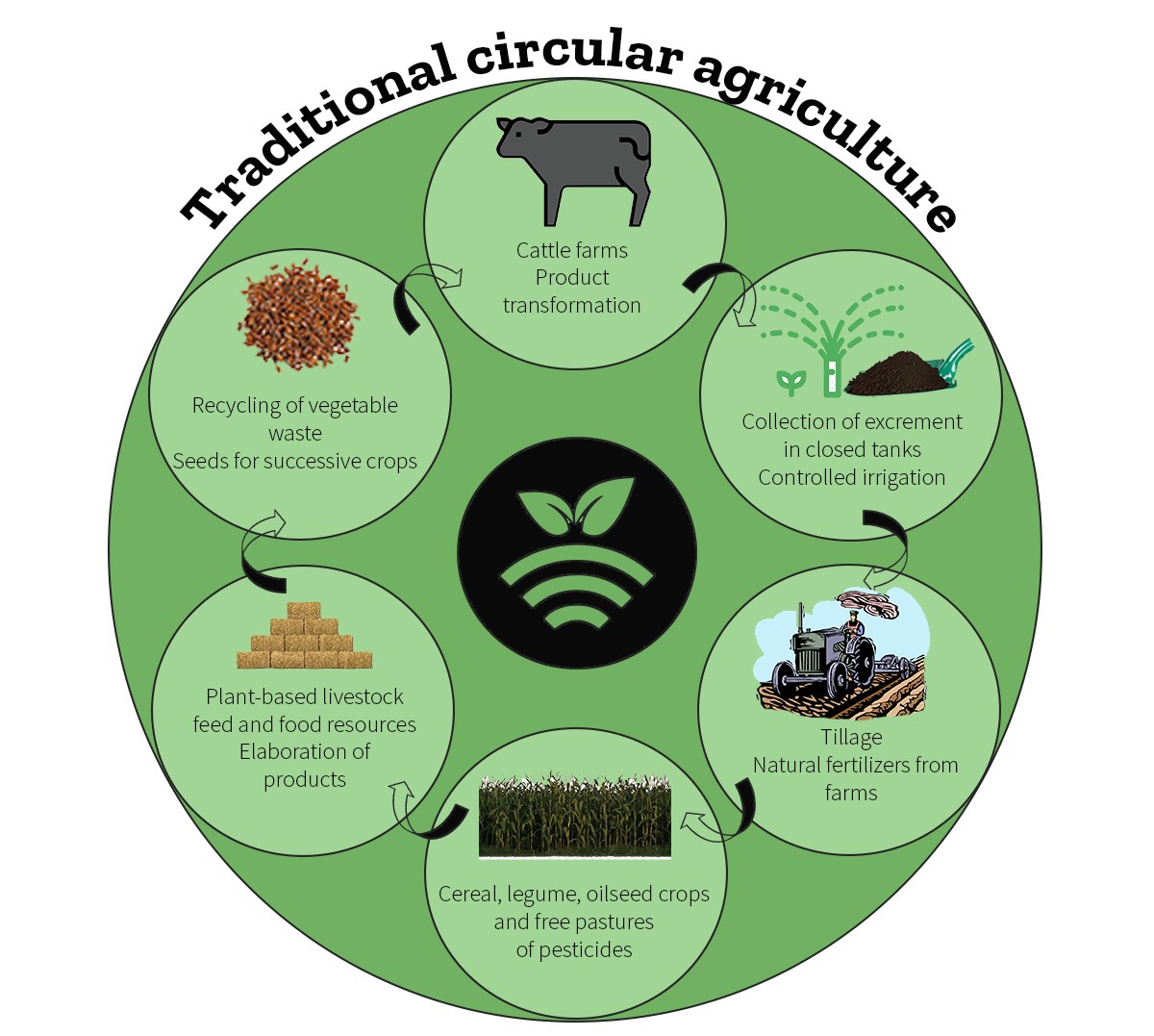
Biomass is reused within the estate, creating circular flows
Carbon benefits from both emission avoidance and removals
Environmental gains paired with operational resilience
Global Context
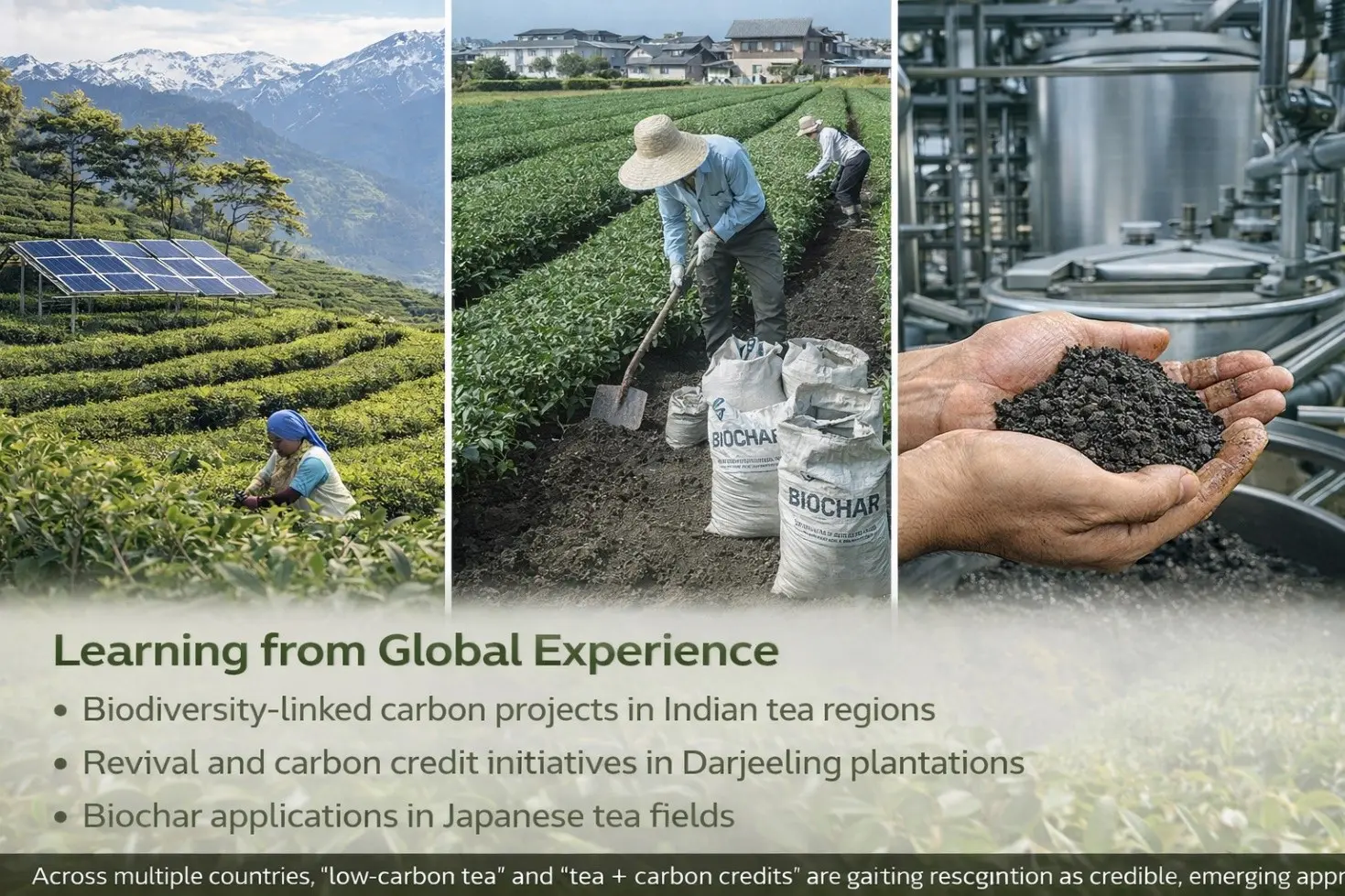
Learning from Global Experience
Tea estates around the world are already beginning to engage with climate and carbon initiatives, demonstrating that "low-carbon tea" and "tea + carbon credits" are credible, emerging narratives in global markets.
Indian Tea Regions
Biodiversity-linked carbon projects in major Indian tea-growing areas
Darjeeling Plantations
Revival and carbon credit initiatives in iconic Darjeeling tea estates
Japanese Tea Fields
Biochar applications enhancing soil health in Japanese tea cultivation
Current Status
Concept development and screening underway
Feasibility and baseline assessments in progress
No commercial or carbon credit issuance at this stage
All public communication reflects early-stage exploration. Final project designs depend on detailed field studies, stakeholder engagement, and regulatory approvals.
Looking Ahead
Climate mitigation and adaptation
Long-term sustainability of tea estates
Scalable models for plantation agriculture
Further updates will be shared as the initiative advances through feasibility and pilot implementation phases.
Partner With Us
Interested in climate-smart tea landscapes or carbon credit opportunities? Let's explore how we can create lasting impact together.